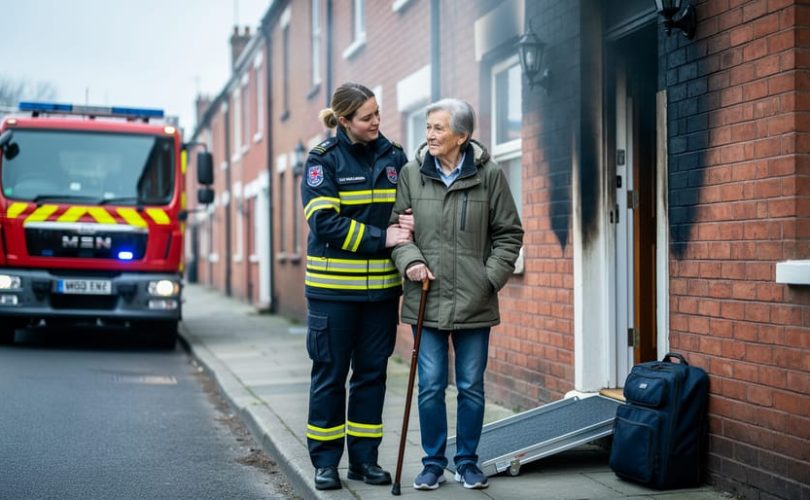
Contact your local fire and rescue service victim support team within 24 hours of the incident, as they can connect you with emergency accommodation that considers mobility needs and accessibility requirements essential for stroke survivors. If rebuilding feels overwhelming or selling a house after fire damage seems more manageable given your health circumstances, know that both paths are valid choices deserving support. Document everything immediately by photographing all fire damage from multiple angles, even if physical limitations mean asking a family member or carer to help – these images become crucial evidence for insurance claims and potential compensation.
Reach out to the Stroke Association’s helpline at 0303 3033 100 to access specialist advisors who understand both fire trauma and stroke-related challenges, connecting you with occupational therapists who can assess whether temporary housing meets your specific needs.
Register with your GP immediately if evacuated from your usual area, ensuring continuity of stroke medications and therapies that cannot be interrupted. Request a Care Act assessment from your local council’s adult social services, which becomes particularly important when fire damage disrupts existing care arrangements or adaptive equipment you depend on daily.
Join survivor communities through platforms like Different Strokes UK, where others who’ve navigated both stroke recovery and property disasters share practical wisdom about managing insurance companies, coordinating rebuilding work, and protecting your emotional wellbeing during this doubly challenging time. You’re not alone in facing this intersection of challenges, and targeted support exists specifically for your situation.
Why House Fires Hit Stroke Survivors Harder
The Physical and Emotional Toll
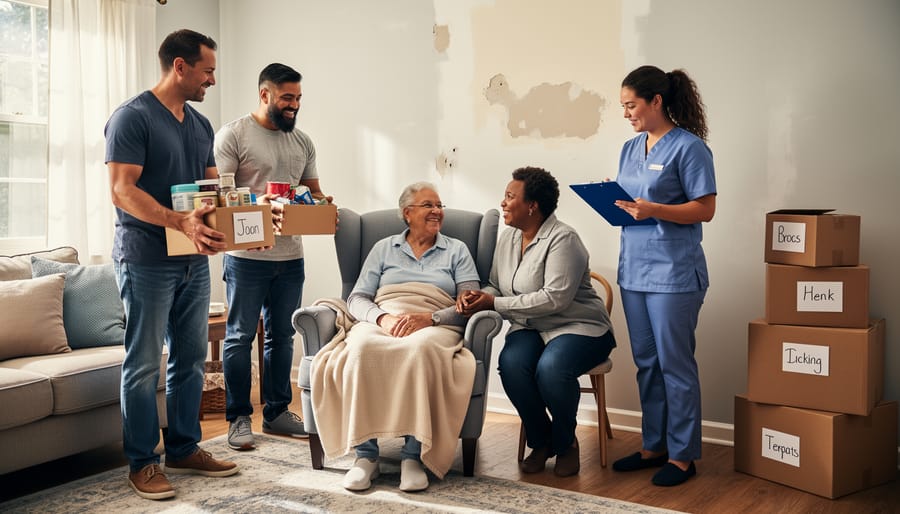
Recovering from a house fire places immense strain on anyone, but for stroke survivors, the added stress can create serious health risks. The emotional shock and ongoing worry about housing, possessions, and finances can trigger dangerous spikes in blood pressure, potentially increasing the risk of another stroke. Many survivors find that stress disrupts their carefully established rehabilitation routines, making it harder to maintain physiotherapy exercises or attend medical appointments.
The physical demands of fire recovery—sorting through damaged items, meeting with insurance assessers, or temporarily relocating—can prove exhausting when mobility is already compromised. Disrupted sleep patterns, common after traumatic events, may interfere with healing and cognitive recovery. Additionally, displacement from familiar surroundings can affect mental wellbeing, potentially triggering anxiety or depression.
It’s essential to monitor your health closely during this period. Keep up with prescribed medications, maintain hydration, and prioritize rest. Simple measures like wearing compression garments can help with preventing blood clots during periods of reduced mobility. Remember, asking for help isn’t weakness—it’s wisdom. Lean on your support network, communicate openly with your healthcare team about increased stress, and don’t hesitate to seek counselling services if emotional distress becomes overwhelming.
Communication Challenges During Crisis
After a house fire, communicating your needs becomes absolutely vital, yet stroke-related challenges like aphasia can make this incredibly difficult. When you’re already dealing with the trauma of losing your home, struggling to find the right words or understand complex insurance documents adds another layer of stress.
If aphasia affects your communication, consider asking a trusted family member, friend, or advocate to join calls with your insurance company and contractors. Many stroke survivors find success keeping a written list of key questions and concerns to reference during conversations. Don’t hesitate to request that insurance assessors and emergency services speak slowly and confirm understanding in writing.
Communication cards showing pictures or simple phrases can help when you need to express urgent needs to emergency responders or temporary housing coordinators. Several UK stroke associations offer free downloadable versions specifically designed for crisis situations.
Remember, you have the right to request reasonable adjustments under the Equality Act 2010. This might include email communication instead of phone calls, extended time for document review, or having information presented in simpler formats. Sarah, a stroke survivor from Manchester, successfully negotiated with her insurer to conduct all correspondence via email, giving her time to process information with her speech therapist’s support. Your communication challenges don’t diminish your right to proper support and fair treatment.
Your First 48 Hours: Immediate Steps to Take
Ensuring Your Safety and Health Needs
Your health must remain the top priority during this challenging time. If you’ve lost medications in the fire, contact your GP or stroke specialist immediately – they can issue emergency prescriptions, often on the same day. Most pharmacies across the UK can provide emergency supplies of essential medications, including blood thinners and blood pressure tablets, even without a prescription initially.
Create a list of all your medications, including dosages and timings, as soon as possible. Your pharmacy can print your medication history if you’re unsure. Managing your medication consistently is crucial for preventing another stroke, so don’t delay this step.
If medical equipment like walking aids, blood pressure monitors, or specialized beds were damaged, inform your occupational therapist or physiotherapist straight away. The NHS can often fast-track replacements for essential equipment. Keep receipts for insurance claims.
Remember to notify your entire healthcare team – GP, stroke consultant, community nurses, and therapists – about your situation. They can adjust appointment schedules, arrange home visits to temporary accommodation, and connect you with additional support services. Many stroke survivors find their healthcare team becomes an invaluable source of practical help and emotional support during recovery from house fires.
Activating Your Support Network
You don’t have to face this alone. After a house fire, reaching out for help is not just important—it’s essential, especially when managing stroke-related challenges alongside recovery efforts.
Start with your immediate circle. Contact family members, close friends, and your regular caregivers as soon as you’re safe. Be specific about what you need: temporary accommodation, help with phone calls, or someone to accompany you to appointments. Many people genuinely want to help but need clear direction.
Your stroke support group can be an invaluable lifeline during this time. The Stroke Association offers local groups across the UK where members understand your unique challenges. These groups often have experience supporting fellow survivors through difficult situations and can provide both practical advice and emotional encouragement. The power of community support cannot be underestimated when facing crisis.
Don’t overlook community resources. Your local council’s adult social care team can connect you with emergency services tailored to stroke survivors. Citizens Advice bureaus offer free guidance on housing rights and benefits you may be entitled to during recovery. Many fire services also provide post-fire support visits.
Remember Sarah from Manchester, who experienced a kitchen fire two years post-stroke? Her stroke club rallied immediately, organizing meal deliveries and transportation to appointments while she rebuilt her life. You deserve that same compassion and practical help.
Documenting the Damage
Recording fire damage can feel overwhelming, especially when dealing with physical limitations or memory challenges after a stroke. The good news? You don’t have to do this alone, and it doesn’t need to be perfect.
Start with your mobile phone camera if you can manage it. Take wide shots of each room, then closer images of specific damaged items. If holding your phone steady is difficult, ask a family member, friend, or neighbour to help. They can follow your directions whilst you supervise from a comfortable position.
Consider using voice recording on your phone to describe what you’re seeing as you go through each room. This creates a record even if photographing everything feels too demanding.
Your insurance company understands that emergencies happen to people with varying abilities. They’d rather you ask for assistance than miss important documentation. Many will accept help from trusted others on your behalf.
Remember Sarah from Manchester, who after her stroke couldn’t navigate her fire-damaged home alone? Her daughter created a simple video walkthrough on her phone, narrating as they went. The insurer accepted it without question, and Sarah felt relieved she hadn’t struggled alone.
Don’t hesitate to request professional help from loss adjusters or local support services who can document everything properly whilst you focus on your wellbeing.
Navigating UK Insurance Claims with Stroke-Related Challenges
Getting Advocacy Support
Navigating insurance claims after a house fire can feel overwhelming, especially when you’re managing stroke recovery. You don’t have to face this alone—several UK services are specifically designed to help you get the support you deserve.
Citizens Advice offers free, impartial guidance on dealing with insurance companies and understanding your rights. Their advisers can help you complete claim forms, gather necessary documentation, and challenge unfair decisions. Many local branches also provide home visits for those with mobility challenges.
The Stroke Association provides dedicated support coordinators who understand the unique difficulties stroke survivors face during crisis situations. They can advocate on your behalf, liaise with insurance companies, and ensure your communication needs are accommodated throughout the claims process.
For complex cases, consider professional advocacy services through your local council’s Adult Social Care department. These trained advocates can represent your interests in meetings, help you access grants and emergency funds, and ensure all parties understand how your stroke affects your ability to manage the recovery process.
Remember Sarah’s story: after her kitchen fire, a Stroke Association coordinator helped her secure temporary adapted accommodation while her claim was processed, making an impossible situation manageable. Reaching out for advocacy support isn’t admitting defeat—it’s taking a practical step toward successful recovery.
Understanding Your Rights and Coverage
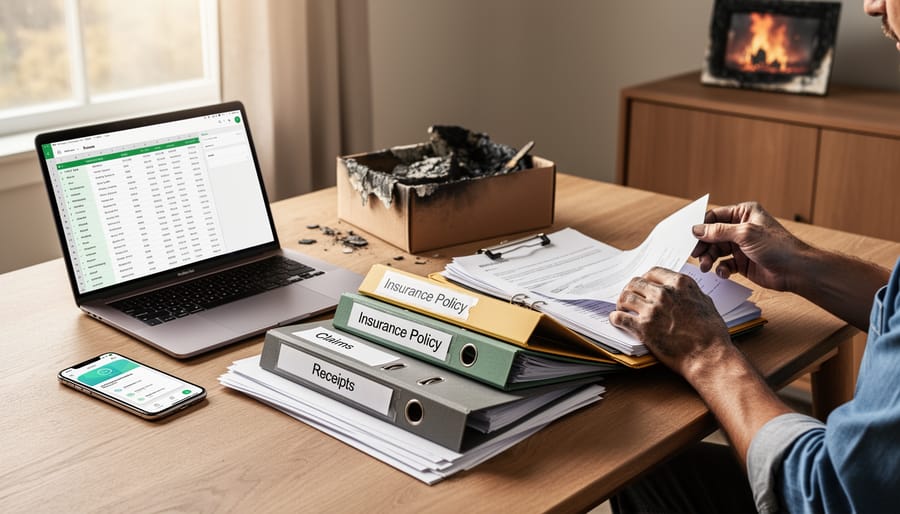
After a house fire, your home insurance policy should provide essential support during this challenging time. Most UK policies cover the cost of repairing or rebuilding fire-damaged structures, replacing destroyed contents, and importantly for stroke survivors, alternative accommodation while your home is uninhabitable.
Your insurer typically arranges and pays for temporary housing, which is vital if you need accessible features or are receiving care at home. Don’t hesitate to explain your specific accessibility requirements to your insurance company – they have a duty to provide suitable accommodation.
Contents cover usually includes furniture, clothing, medical equipment, and mobility aids damaged in the fire. Keep receipts for assistive devices like grab rails or specialist beds, as these should be replaced. Some policies also cover emergency purchases of essential items immediately after the fire.
If you’re unsure about your coverage, contact your insurer straightaway. Many stroke survivors find it helpful to have a family member or advocate assist with phone calls and paperwork. Citizens Advice can provide free guidance if you encounter difficulties with your claim.
Remember, you’ve paid for this protection. Your insurance exists to help you rebuild, especially during times when managing alone feels overwhelming.
Communicating Your Accessibility Needs
Your insurance company needs to understand how your stroke affects your ability to communicate and process information. Don’t hesitate to speak up about what you need – it’s their responsibility to make reasonable adjustments for you.
Start by letting your insurer know about your stroke-related challenges as soon as possible. You might need documents in larger print, plain language summaries of complex policies, or extra time to read through paperwork. Many stroke survivors find that aphasia or cognitive fatigue makes phone calls particularly difficult, so request written communication by email or post if that works better for you.
If you have a family member, friend, or advocate who can help, ask the insurer to copy them on all correspondence. You’re entitled to have someone attend meetings with you or even speak on your behalf with your permission.
Consider asking for face-to-face meetings at home rather than in an office, especially if mobility or anxiety makes travel challenging. Many insurers now offer video calls too, which can feel less overwhelming than phone conversations.
Remember Sarah from Essex, who found her insurer incredibly supportive once she explained her speech difficulties? They assigned her a single point of contact and communicated exclusively through email, making the entire claims process far less stressful. Your needs are valid, and good insurers will work with you to ensure you’re not disadvantaged during an already difficult time.
Finding Suitable Temporary Accommodation
Accessibility Considerations
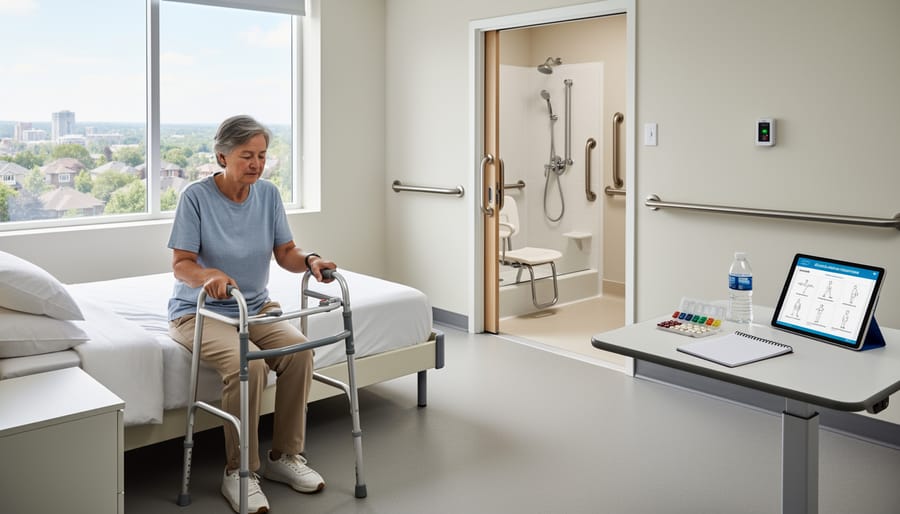
When arranging temporary accommodation after a fire, your physical needs following a stroke must be prioritised. Look for ground floor access or properties with lifts to avoid stairs, as mobility challenges can make multiple levels exhausting or dangerous. Ensure doorways are wide enough for walking frames or wheelchairs, typically at least 76cm across.
Bathroom adaptations are essential. Seek properties with walk-in showers rather than baths, grab rails already installed, and non-slip flooring. A raised toilet seat can make a significant difference to your independence and dignity during this difficult transition.
Consider space for medical equipment such as hospital beds, hoists, or physiotherapy aids. Temporary housing should accommodate your recovery journey, not hinder it. Don’t hesitate to request specific adaptations from your local authority or housing provider – they have obligations to meet accessibility needs.
Sarah, who experienced a house fire two years post-stroke, shares: “Having ground floor accommodation with proper grab rails meant I could focus on emotional recovery rather than battling physical barriers daily.”
Your local council’s occupational therapy team can assess properties before you move in, ensuring they truly meet your requirements.
UK Resources for Emergency Housing
If you’ve lost your home to fire, you have immediate rights to support. Your local council has a legal duty to provide temporary accommodation if you’re vulnerable due to your stroke-related needs. Contact your council’s housing department straight away – they cannot turn you away in an emergency, especially when disability is a factor.
The Stroke Association offers practical guidance and can connect you with local support services tailored to your circumstances. They understand the unique challenges stroke survivors face during housing transitions and can help advocate for your needs.
Red Cross and Salvation Army provide emergency support including clothing, food vouchers, and emotional assistance during those overwhelming first days. Many stroke survivors find their Crisis Support Teams particularly helpful for immediate practical needs.
Citizens Advice can guide you through housing rights, insurance claims, and benefits you may be entitled to. They offer free, confidential advice and can explain everything in straightforward language.
Remember, John from Manchester shared how his local stroke support group rallied around him after his fire, helping coordinate temporary housing and ensuring his accessibility requirements were met. You’re not alone in this journey.
Protecting Your Mental Health Through the Recovery Process
Normal Reactions vs. When to Seek Help
After experiencing a house fire, it’s completely normal to feel overwhelmed, sad, or anxious. You might find yourself having trouble sleeping, feeling tearful when thinking about lost belongings, or experiencing increased fatigue. These reactions are part of the natural grieving process, and for stroke survivors, physical and emotional responses may feel more intense due to existing challenges.
However, certain signs indicate it’s time to reach out for professional support. If you’re experiencing persistent hopelessness lasting more than two weeks, withdrawing from loved ones, or noticing significant changes in your appetite or sleep patterns, please speak with your GP. Depression after stroke affects many survivors, and a house fire can intensify these feelings.
Watch for increased confusion, difficulty with rehabilitation exercises you’d previously managed, or thoughts of self-harm. These require immediate professional attention.
Remember, seeking help isn’t a sign of weakness—it’s a positive step toward recovery. Your GP can connect you with counselling services, and many stroke survivors find peer support groups particularly helpful. Sarah, a stroke survivor from Manchester, shared: “Talking with others who understood both stroke recovery and fire trauma made all the difference in my healing journey.”
UK Mental Health Resources for Stroke Survivors
Recovering from a house fire presents unique challenges when you’re also managing stroke recovery, but you don’t have to face this alone. Several UK organizations specialize in supporting people who are navigating both physical recovery and trauma from property loss.
The Stroke Association helpline (0303 3033 100) offers tailored advice for stroke survivors facing difficult life circumstances, including housing emergencies. Their advisors understand how stress can affect your recovery and can connect you with local support services. They’ve helped countless survivors rebuild their lives after unexpected setbacks, and many have shared how this compassionate guidance made all the difference.
Different Strokes provides peer support groups across the UK specifically for younger stroke survivors. Many members have experienced major life disruptions and understand the emotional weight of starting over. These groups offer a safe space to share experiences and practical tips with people who truly get it.
For mental health support combining trauma and stroke recovery, Mind’s helpline (0300 123 3393) can direct you to appropriate counseling services. They recognize that processing both physical limitations and property loss requires specialized care.
Victim Support (0808 168 9111) offers free, confidential help for anyone affected by fire, including assistance with insurance claims, temporary housing, and emotional support. Their services are available whether or not you’ve reported the incident to authorities.
Local stroke groups often know about community resources for housing emergencies. Ask your GP or stroke nurse about groups in your area where you’ll find understanding faces and practical wisdom from fellow survivors who’ve overcome similar challenges.
Rebuilding Your Home with Your Recovery Needs in Mind
Working with Contractors Who Understand Accessibility
Finding the right contractors can make your recovery journey significantly smoother. When interviewing builders, clearly explain your specific mobility needs and any physical limitations resulting from your stroke. Don’t hesitate to mention if you use a wheelchair, walking aid, or need grab rails throughout your home.
Look for contractors registered with the Federation of Master Builders or similar accreditation bodies, as they’re more likely to understand accessibility requirements. Ask potential builders if they’ve previously worked on accessible housing projects or adaptations. Request references from clients with similar needs if possible.
Share any recommendations from your occupational therapist directly with your contractor. These might include doorway widths, bathroom layouts, or kitchen modifications that support your independence. Keep written records of all agreed adaptations to avoid misunderstandings during the rebuild.
Many stroke survivors have successfully rebuilt more accessible homes than they had before the fire. Janet from Manchester shared how her contractor installed non-slip flooring and lever-style door handles throughout her new home, making daily life easier than before the fire. Consider this an opportunity to create a space that truly works for you, supporting your ongoing recovery and independence.
Grants and Financial Support for Adaptations
Rebuilding after a house fire can feel financially overwhelming, but several funding sources exist to help stroke survivors adapt their new or restored homes. The Disabled Facilities Grant (DFG), available through your local authority, provides up to £30,000 in England (amounts vary in Scotland, Wales, and Northern Ireland) for essential home modifications like wheelchair ramps, wider doorways, or accessible bathrooms. Your occupational therapist can assess your needs and support your application.
Many national charities offer additional financial support. The Stroke Association provides community grants for stroke survivors facing hardship, while The Fire Fighters Charity assists anyone affected by fire, regardless of whether professional firefighters were involved. Local charities and benevolent funds may also contribute toward adaptation costs or temporary accommodation expenses during rebuilding.
Contact your local authority’s adult social care department early in your recovery process. They can connect you with care grants, direct payments for adaptations, and signpost other funding opportunities. Remember, John from Manchester successfully combined DFG funding with charity support to create a fully accessible ground-floor living space after his fire, proving that multiple funding streams can work together. Don’t hesitate to explore every available option – you’ve already shown tremendous strength in your recovery journey.
Real Stories: Stroke Survivors Who’ve Rebuilt After Fire
When Margaret’s kitchen fire spread through her Nottingham flat in 2022, she was eighteen months post-stroke and still regaining mobility on her left side. “The hardest part wasn’t the fire itself, but realizing I couldn’t move quickly to grab important documents,” she recalls. “Everything felt overwhelming those first few days.”
Margaret’s turning point came when she contacted her local stroke support group. “They connected me with someone who’d been through similar trauma. That conversation changed everything.” She learned to break down tasks into manageable steps, something she’d already practiced during stroke rehabilitation. “I couldn’t physically sort through damaged belongings for hours, so I worked in 20-minute blocks with rest periods, just like my physiotherapy routine.”
She also advocated firmly with her insurance company about her needs. “I explained that I required ground-floor accommodation due to my mobility challenges. It took persistence, but they listened.” Margaret now keeps essential documents in a fireproof box by her front door and has simplified her living space to reduce fire risks.
David from Cardiff faced his house fire just six months after his stroke, when fatigue and memory problems were still significant. “I kept forgetting appointments with builders and insurance assessors. I felt like I was failing.”
His occupational therapist suggested using a large wall planner with color-coded tasks. “Blue for insurance matters, green for housing, red for medical appointments. It sounds simple, but it saved me.” David also accepted help from neighbours who’d previously felt unsure how to support him. “They became my memory backup, checking in about upcoming meetings.”
Both Margaret and David emphasize that recovery isn’t linear. “Some days I felt strong, others completely defeated,” David shares. “But each small victory, whether remembering an important call or successfully managing a meeting, built my confidence back.”
Their message to others facing similar challenges? You’ve already survived and recovered from one major life event. Those same strengths will carry you through this too.
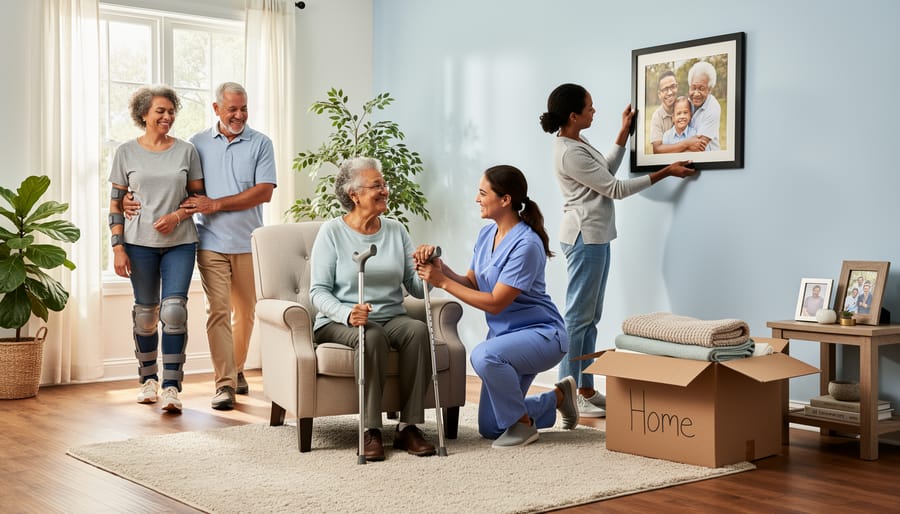
Recovering from a house fire when you’re a stroke survivor presents unique challenges, but you don’t have to face them alone. Throughout this journey, remember that progress isn’t always linear, and asking for help is a sign of strength, not weakness.
Take recovery one step at a time. Start with immediate safety and housing needs, then work through insurance claims and emotional support. Reach out to organizations like the Stroke Association, British Red Cross, and your local council’s housing department. These resources exist specifically to help people in your situation.
Connect with others who understand your experience. The Life After Strokes community offers ongoing support where you can share your story, ask questions, and find encouragement from fellow survivors who’ve faced similar challenges. Many have rebuilt their lives after devastating setbacks and found renewed purpose and joy.
Your stroke has already shown your resilience. A house fire is another obstacle, but with the right support network and resources, you can rebuild not just your home, but your confidence and independence too. Whether you’re dealing with this crisis today or planning ahead, know that recovery is possible, support is available, and brighter days lie ahead.