
How to Build a Healthcare Strategic Plan in 7 Steps That Brings Your Hospital and Care Teams Together
Healthcare strategic planning comes down to seven steps: assess where you are, define your mission and values, set a few clear priorities, build…
Browsing Category
Actionable guidance for life after stroke, including rehabilitation exercises, assistive aids, therapy approaches, and strategies for emotional resilience during recovery.

Healthcare strategic planning comes down to seven steps: assess where you are, define your mission and values, set a few clear priorities, build…
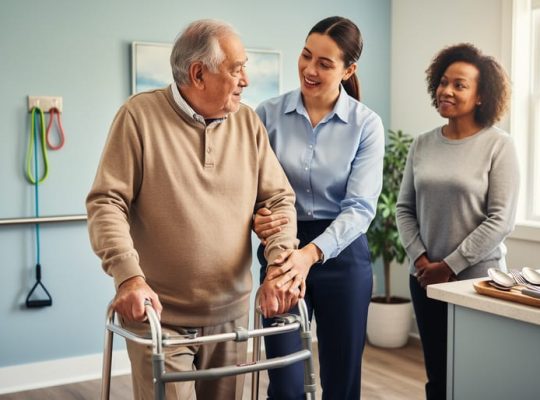
Stroke recovery moves through three stages: the acute stage in the hospital, the rehabilitation stage that follows, and the long-term stage of life at…
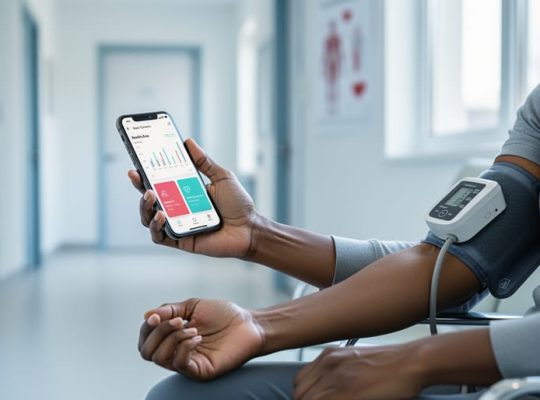
Stroke prevention is achievable through lifestyle changes and medical management that address the underlying risk factors you can control. Most strokes are tied to modifiable conditions like high blood pressure, diabetes, and heart disease, meaning the choices you make today can significantly lower your risk tomorrow. Whether you’re a survivor working to prevent recurrence, a family member watching a loved one navigate recovery, or someone who’s just learned you have elevated risk factors, the eight evidence-based strategies that follow offer practical steps you can implement with your healthcare team.
Prevention isn&#…

The Journal of Healthcare Management (J Healthc Manag) is a peer-reviewed professional publication that translates complex hospital and health system research into practical strategies that improve patient care, including stroke treatment protocols, rehabilitation access, and care coordination. Published by the American College of Healthcare Executives, this journal serves as a bridge between academic research and real-world application, helping healthcare leaders implement evidence-based changes that directly affect recovery outcomes for stroke survivors and their families.
When your care team makes decisions about stroke unit …
No, healthcare management and healthcare administration are not the same, though the terms are often used interchangeably and the roles do overlap significantly. Healthcare administration typically focuses on the day-to-day operations of hospitals, clinics, and medical facilities, handling tasks like scheduling, budgeting, regulatory compliance, and human resources. Healthcare management, on the other hand, takes a broader view, encompassing strategic planning, program development, quality improvement initiatives, and long-term organizational growth. Think of it this way: an administrator keeps the clinic running smoothly today, while a …

Recovery from stroke or heart disease doesn’t happen in isolation. You need people who truly understand what you’re going through, not just sympathetic nods from those who’ve never felt their body betray them or feared they’d never speak clearly again. That’s where a support group becomes transformative.
After a stroke or cardiac event, you’re often sent home with medication lists and rehab appointments but little preparation for the emotional aftermath. The frustration of relearning simple tasks. The anxiety about …

Recovery from stroke or heart disease doesn’t happen in isolation. Community connections partnerships bring together healthcare providers, local organizations, support groups, and community resources to create a safety net that extends far beyond hospital walls. These collaborations transform the overwhelming journey of recovery into a supported pathway filled with practical help, emotional encouragement, and accessible resources.
When Sarah experienced her stroke at 52, she left the hospital with a stack of pamphlets and appointments but no clear roadmap for rebuilding her life. Through her local community connections …