Recovery from stroke or heart disease doesn’t happen in isolation. Community connections partnerships bring together healthcare providers, local organizations, support groups, and community resources to create a safety net that extends far beyond hospital walls. These collaborations transform the overwhelming journey of recovery into a supported pathway filled with practical help, emotional encouragement, and accessible resources.
When Sarah experienced her stroke at 52, she left the hospital with a stack of pamphlets and appointments but no clear roadmap for rebuilding her life. Through her local community connections partnership, she found physical therapy at a nearby community center, joined a peer support group that met weekly, and connected with a job coach who helped her return to work part-time. The partnership didn’t just coordinate her care—it restored her confidence and independence.
These partnerships work because they address the real challenges survivors face: transportation to appointments, affordable therapy options, social isolation, emotional support, and navigating complex healthcare systems. Rather than forcing you to piece together services on your own, community connections partnerships create an integrated support system tailored to your specific needs and circumstances.
Whether you’re newly diagnosed, months into recovery, or supporting a loved one, understanding how these partnerships function opens doors to resources you may not know exist. From connecting with others who truly understand your experience to accessing specialized services in your neighborhood, these collaborative networks turn scattered support into coordinated care. The difference between struggling alone and thriving with community support often comes down to knowing these partnerships exist and how to engage with them effectively.
What Is a Community Connections Partnership?
When you’re recovering from a stroke or living with heart disease, the path forward can feel overwhelming and isolating. You might attend a support group or visit your doctor regularly, but what happens in between those appointments? That’s where a community connections partnership comes in—a framework designed to surround you with comprehensive, ongoing support from multiple sources working together.
A community connections partnership brings together different stakeholders who each play a vital role in your recovery journey. This includes survivors like yourself, family members and caregivers, medical professionals such as doctors and therapists, nonprofit organizations, and local community groups. Rather than each of these resources operating in isolation, they actively collaborate and share information to create a seamless network of care tailored to your needs.
This distinction matters because it means you’re not just finding emotional support—you’re accessing physical therapy resources, nutritional guidance, transportation assistance, employment support, and social connections all through an interconnected system that communicates about your progress.
Think of it this way: a traditional support group might help you feel less alone and give you a safe space to share your challenges. A community connections partnership does that too, but it also connects you with a physical therapist who knows about the adaptive equipment nonprofit in your area, which partners with a local gym offering specialized stroke recovery classes, and all of them communicate with your medical team to ensure everyone understands your goals.
This holistic approach recognizes that recovery isn’t just medical—it’s social, emotional, practical, and ongoing. When Maria, a stroke survivor from Portland, joined her local partnership, she gained not only peer support but also job retraining resources, childcare assistance for her therapy appointments, and a mentor who had navigated similar challenges. That’s the power of true partnership.

The Life-Changing Benefits of Partnership-Based Support
Emotional and Mental Health Support
The emotional toll of stroke recovery often catches survivors and their families off guard. While physical symptoms are visible, the invisible burden of anxiety, grief, and isolation can be equally debilitating. Community connections partnerships address these hidden challenges by creating spaces where emotional struggles are acknowledged, understood, and gently carried together.
When you connect with others who’ve walked a similar path, something powerful happens. The fear that you’re somehow broken or alone begins to fade. Research consistently shows that social support reduces depression among stroke survivors, validating what many already feel: we heal better together.
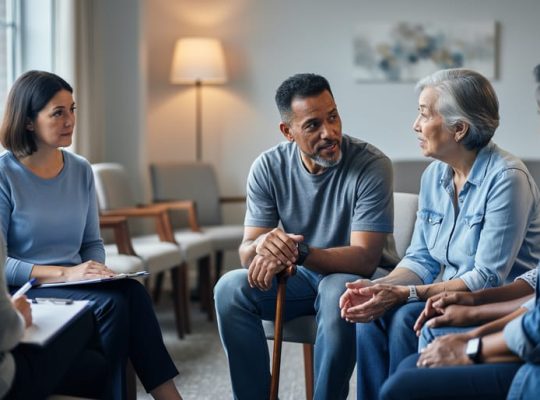
In support groups and peer partnerships, you’ll find people who genuinely understand what it means to struggle with simple tasks that once came effortlessly. They won’t offer empty platitudes or rush your healing timeline. Instead, they normalize the frustration of cognitive challenges, the exhaustion of physical therapy, and the grief over changed abilities. This validation isn’t just comforting—it’s therapeutic.
Take Maria’s experience. After her stroke, she felt disconnected from her old life and friends who couldn’t grasp her new reality. Joining a local stroke survivor group transformed her outlook. “Finally, I could laugh about my struggles without feeling judged,” she shares. “These people get the small victories and the hard days.”
Through shared experiences, community partnerships provide the emotional scaffolding needed for genuine mental health recovery, reminding you that setbacks don’t define your journey and progress comes in many forms.

Practical Resources and Information Sharing
One of the most valuable aspects of community partnerships is the practical knowledge that flows freely between members who truly understand the recovery journey. When you connect with others who’ve walked a similar path, you gain access to tried-and-tested recommendations that can save you time, money, and frustration.
Think of it as a living library of real-world experience. Members share insights about which physical therapists specialize in stroke rehabilitation, which occupational therapists have creative solutions for daily living challenges, and which speech therapists connect best with different communication needs. These aren’t generic online reviews—they’re personal recommendations from people who understand your specific challenges.
The knowledge sharing extends to practical equipment too. Fellow survivors can tell you which grab bars actually stay secure, which adaptive utensils work best for different grip limitations, and which mobility aids provide the best value. Many partnerships even organize equipment swaps, where members can try items before purchasing or receive gently used equipment at reduced cost.
Medication schedules become less isolating when others share their journeys. While everyone’s body responds differently, hearing how others managed side effects or coordinated multiple prescriptions helps you ask better questions at your own medical appointments.
Perhaps most importantly, partnerships demystify healthcare system navigation. Members share tips about insurance appeals, accessing home health services, finding transportation to appointments, and communicating effectively with medical teams. This collective wisdom transforms overwhelming systems into manageable steps, ensuring you receive the comprehensive care you deserve.
Accountability and Motivation for Recovery Goals
Recovery after a stroke or heart event isn’t just about knowing what to do—it’s about actually doing it, day after day, even when motivation wanes. This is where community connections partnerships truly shine. These relationships create a gentle but effective system of accountability that makes following through with rehabilitation exercises, lifestyle changes, and medication schedules significantly easier.
Think of it as having a caring friend who genuinely wants to see you succeed. Partnership programs often include regular check-ins, whether through phone calls, video chats, or in-person visits. These scheduled touchpoints give you something to work toward and someone to share your progress with. When you know someone will be asking about your walking routine next Tuesday, you’re more likely to actually do it.
Many partnerships incorporate shared goal-setting sessions where you work together to establish realistic, meaningful targets. Rather than vague intentions like “exercise more,” you might set a specific goal: “Walk to the mailbox and back three times this week.” Your partner helps break overwhelming rehabilitation plans into manageable steps and celebrates each achievement along the way.
Research supports this approach. Studies on tailored pharmacy-based adherence interventions demonstrate that personalized support significantly improves medication consistency, a critical factor in preventing secondary events.
Sarah, a stroke survivor from Minnesota, credits her community partner with helping her stay consistent with physical therapy exercises at home. “On tough days when I wanted to skip my exercises, knowing Maria would ask about them kept me going. She wasn’t judgmental—just genuinely interested. That made all the difference.”
This accountability isn’t about pressure or criticism. It’s about having someone in your corner who understands the journey and reminds you why recovery matters when you lose sight of it yourself.

Different Types of Community Connections Partnerships
Peer-to-Peer Survivor Networks
One of the most powerful connections you can make is with someone who truly understands your journey because they’re walking a similar path. Peer-to-peer survivor networks bring together individuals at various stages of recovery, creating meaningful relationships built on shared experience and mutual understanding.
These networks often use buddy systems that pair recent survivors with those further along in their recovery. Your buddy becomes someone you can call when you’re frustrated with slow progress, celebrate small victories with, or simply talk to when family members don’t quite understand what you’re experiencing. Many survivors find that helping others becomes part of their own healing process.
Mentorship models take this a step further, connecting experienced survivors who’ve navigated significant recovery milestones with those just beginning their journey. Maria, two years post-stroke, now mentors three newer survivors. “Sharing what I learned helps them avoid some of my struggles,” she explains. “And honestly, seeing their progress reminds me how far I’ve come.”
These partnerships work because they’re based on genuine empathy. Your peer partner knows firsthand the emotional rollercoaster of recovery, the fear that comes with setbacks, and the determination required to keep moving forward. Whether you connect through hospital programs, support groups, or online communities, peer connections offer validation and hope that professional relationships sometimes can’t provide.
Family and Caregiver Partnerships
Caring for a loved one after stroke or managing your own recovery can feel isolating, but you don’t have to navigate this journey alone. Family and caregiver partnerships create dedicated spaces where those supporting recovery survivors can connect, share their experiences, and learn from one another.
These partnerships recognize that caregivers face unique challenges—from managing medications and therapy schedules to coping with emotional strain and lifestyle adjustments. By bringing family members and caregivers together, these programs offer a supportive community where you can discuss real-life situations without judgment.
Many partnerships organize regular meetups, online forums, or phone support circles specifically for caregivers. Here, you’ll find people who truly understand what you’re going through—whether it’s celebrating small victories or working through difficult days. Sarah, whose husband experienced a stroke two years ago, shares: “Meeting other caregivers showed me I wasn’t alone in feeling overwhelmed. We swap practical tips, like meal prep ideas for low-sodium diets, and remind each other to take care of ourselves too.”
These connections also provide access to educational resources about stroke recovery, stress management techniques, and respite care options. Remember, taking care of yourself enables you to better support your loved one’s recovery journey.
Community-Healthcare Provider Collaborations
The journey from hospital bed to home doesn’t have to feel like crossing a bridge alone. Increasingly, healthcare providers are recognizing that medical treatment is just one piece of the recovery puzzle. That’s where community-healthcare partnerships step in, creating a vital connection between your clinical care and everyday life.
These collaborations bring together rehabilitation facilities, hospitals, and community centers to support your recovery beyond medical appointments. Imagine finishing your physical therapy session at the hospital, then seamlessly transitioning to exercise classes at your local community center, where trained staff understand your specific needs and limitations. That’s the power of these partnerships.
Many rehab facilities now work directly with community organizations to create tailored programs for stroke and heart disease survivors. These might include exercise groups led by certified instructors who’ve received specialized training in adaptive techniques, nutrition workshops held at convenient neighborhood locations, or transportation services that ensure you can actually get to the resources you need.
One heartening example comes from Maria, whose rehab center partnered with her local senior center. “My physical therapist worked with the community center staff to design exercises I could continue after discharge,” she shares. “I never felt abandoned after leaving formal therapy.”
These partnerships also help healthcare providers better understand the real-world challenges you face. When your doctor knows what resources exist in your neighborhood, they can make recommendations that actually fit your daily life, creating a continuous support system that extends far beyond clinic walls.
How to Find or Create Your Community Connection Partnership
Starting with Existing Organizations
The good news is you don’t have to start from scratch. Many established organizations already exist to support people exactly where you are right now. These groups have been helping survivors and families navigate recovery for years, and they’re ready to welcome you.
National organizations like the American Stroke Association and American Heart Association offer comprehensive resources, including local chapter meetings, educational materials, and connection to others who understand your journey. Many survivors find comfort in knowing these groups have walked alongside countless others through similar challenges.
Hospital-based support programs provide another excellent starting point. Most stroke treatment centers and cardiac rehabilitation facilities host regular support groups right where you received care. The familiarity of the setting and staff can make that first step less intimidating. Sarah, a stroke survivor from Ohio, shares: “Going back to the hospital where they saved my life felt scary at first, but the support group there became my lifeline. These people got it.”
Online platforms have opened new doors for connection, especially valuable if mobility challenges or geographic distance make in-person meetings difficult. Facebook groups, specialized forums, and virtual meetups let you participate from home, often at times that work around your schedule.
Your healthcare team can point you toward reputable organizations. Ask your neurologist, cardiologist, physical therapist, or social worker for recommendations. They often maintain lists of trusted community resources and may even facilitate introductions to group coordinators who can answer your questions before you commit to attending.
Building Your Own Network
If you live in an area with limited support resources or have specific needs that aren’t met by existing programs, don’t let that stop you from building meaningful connections. Starting small is perfectly acceptable and often the most sustainable approach to creating your own support network.
Begin with just one connection. Reach out to another survivor through online forums, hospital referral programs, or even a chance meeting at a rehabilitation appointment. That single relationship can become the foundation for something larger. Maria, a stroke survivor in rural Montana, started by connecting with one other survivor she met at her physical therapy clinic. They began meeting weekly for coffee, and within six months, their informal gatherings grew into a support group of eight people who now meet regularly and share resources.
Consider using technology to bridge geographical gaps. Video calls, social media groups, and messaging apps can connect you with survivors who share your specific circumstances, whether that’s your age, type of stroke, or particular recovery challenges. These virtual connections are just as valuable as in-person relationships and can eventually lead to local meetups if others in your area join.
Don’t hesitate to ask your healthcare team for help connecting you with others. Many doctors, nurses, and therapists know other patients who might welcome connection. You can also post notices in rehabilitation centers, community centers, or places of worship explaining what you’re looking for.
Your network doesn’t need to be large to be powerful. Quality matters far more than quantity, and sometimes the most profound support comes from understanding shared between just two people who truly get what each other is experiencing.

Real Stories: Community Connections That Changed Everything
Maria’s stroke left her struggling with aphasia, making simple conversations exhausting. Her husband Carlos felt helpless watching her frustration grow. At a local support group, they met another couple who introduced them to a speech therapist specializing in aphasia. More importantly, they connected with others who truly understood their daily challenges. The group introduced Maria to a community art class designed for stroke survivors, where she could express herself without words. Six months later, Maria had not only regained significant speech abilities through consistent therapy but had rediscovered her love of painting. “The therapy helped my words come back,” Maria shares, “but the community gave me reasons to use them again.”
When James returned home after his heart attack, navigating insurance claims and rehabilitation appointments felt overwhelming. Through his cardiac rehab program, he met Robert, a retired insurance agent who had recovered from his own heart event three years earlier. Robert became James’s informal mentor, helping him decode confusing medical bills and advocate for coverage of necessary therapies. Robert also introduced James to a walking group that met three mornings weekly at a local park. What started as accountability for cardiac exercise became genuine friendships. “I went from feeling isolated and confused to having people who checked on me and genuinely cared,” James explains. “Robert taught me that asking for help isn’t weakness—it’s how we all get through this.”
Aisha’s daughter was determined to help her mother stay motivated through the difficult months of physical therapy following her stroke. At a caregiver workshop, she connected with other families facing similar challenges. One parent suggested a virtual support network where members shared small victories and encouragement. Another recommended a recreational therapist who helped Aisha adapt her gardening hobby to her current abilities. These connections transformed Aisha’s recovery from a lonely struggle into a supported journey. Within eight months, Aisha was tending raised garden beds specially designed for limited mobility, sharing vegetables with her support group members.
Recovery from stroke or heart disease is never a solo journey, and you were never meant to walk it alone. The partnerships and connections we’ve explored throughout this article represent more than just support systems—they’re lifelines that can transform your healing process from overwhelming to manageable, from isolated to supported.
The beautiful truth is that community-based support is already within your reach. You don’t need to make dramatic changes or commit to anything beyond your current capacity. Start small. Perhaps it’s attending one virtual support group meeting this week. Maybe it’s reaching out to a neighbor who’s also experienced a cardiac event. It could be as simple as asking your healthcare provider about local recovery programs or joining an online forum where you can read others’ experiences without even needing to share your own story yet.
Remember Maria, who found her voice again through her stroke support group? She started by simply showing up and listening. Tom discovered renewed purpose by connecting with just one other survivor. Their transformations didn’t happen because they had extraordinary resources or exceptional circumstances—they happened because they took one brave step toward connection.
Your recovery community is waiting for you, ready to walk alongside you through challenges and celebrate every victory, no matter how small. Together, there’s strength you haven’t yet discovered. Together, healing becomes possible in ways that isolation never allows. Take that first step today—your community is already there, hoping to welcome you home.