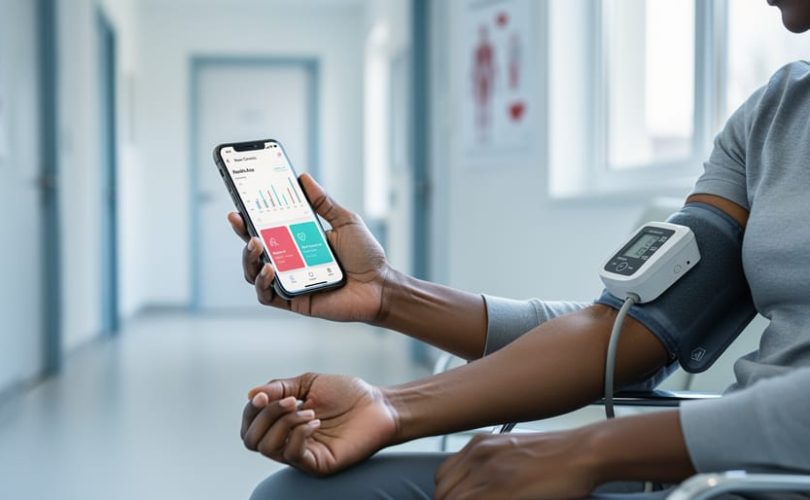
Stroke prevention is achievable through lifestyle changes and medical management that address the underlying risk factors you can control. Most strokes are tied to modifiable conditions like high blood pressure, diabetes, and heart disease, meaning the choices you make today can significantly lower your risk tomorrow. Whether you’re a survivor working to prevent recurrence, a family member watching a loved one navigate recovery, or someone who’s just learned you have elevated risk factors, the eight evidence-based strategies that follow offer practical steps you can implement with your healthcare team.
Prevention isn’t about perfection. It’s about progress. Small, consistent changes in how you eat, move, manage stress, and monitor your health create a protective effect that builds over time. You don’t need to overhaul your entire life overnight. Instead, you’ll find approachable actions that fit into real routines, explained in plain language without overwhelming medical jargon.
This guide prioritizes strategies backed by medical consensus and clinical practice, focusing on what you can discuss with your doctor and begin today. Each method includes practical implementation tips because knowing what to do matters far less than knowing how to do it. You’re not alone in this journey. Our community is here to support you every step of the way.
How We Selected These Prevention Strategies
We chose these eight strategies by prioritizing approaches backed by established medical consensus, shaped by insights from healthcare management and healthcare leadership in stroke prevention. Each method had to meet three criteria: strong evidence from reputable medical organizations, realistic integration into daily routines, and relevance to both stroke survivors and those seeking to reduce their risk. We also listened to our Life After Strokes community members, who shared which prevention approaches felt achievable rather than overwhelming.
What you’ll find here are sustainable habits, not extreme makeovers. Prevention isn’t about perfection or following rigid protocols. It’s about small, consistent choices that add up over time, changes you can maintain for years, not just weeks.
1. Monitor and Manage Your Blood Pressure Regularly
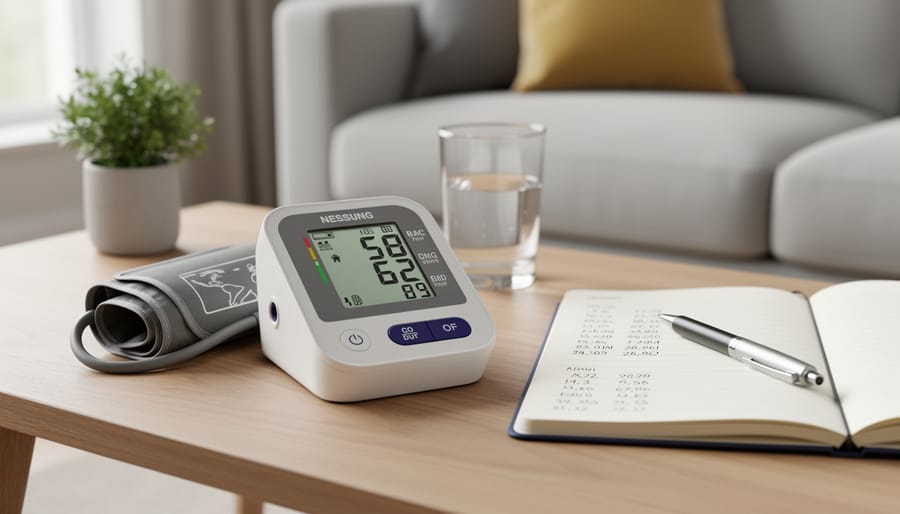
High blood pressure quietly damages your blood vessels over time, making them more vulnerable to the blockages and ruptures that cause strokes. The good news? Managing your blood pressure is one of the most effective ways to protect yourself, and it starts with knowing your numbers.
Home monitoring gives you real insight into your blood pressure patterns. Choose a validated upper-arm monitor (wrist devices can be less accurate), and check your readings at the same time each day, ideally in the morning before medications and after sitting quietly for five minutes. Keep a simple log, whether on paper or through a smartphone app, so you can spot trends and share meaningful data with your doctor.
Your healthcare team will help you understand what target range makes sense for your situation. Generally, readings consistently above 130/80 warrant a conversation about treatment options, though your personal targets may differ based on your health history. Don’t panic over a single high reading, blood pressure fluctuates naturally, but patterns matter.
Between appointments, small lifestyle shifts make a real difference. Cut back on salt by cooking at home more often and reading nutrition labels. Find ways to move that you genuinely enjoy, even if it’s just a daily walk around the block. Manage stress through whatever works for you, whether that’s deep breathing, gardening, or calling a friend. Limit alcohol, maintain a healthy weight, and if you smoke, reach out for support to quit.
If your doctor prescribes medication, take it consistently. These medications work best when taken as directed, and skipping doses undermines your protection. Think of blood pressure management as a daily commitment to your future, not a burden.
2. Adopt a Heart-Healthy Eating Pattern
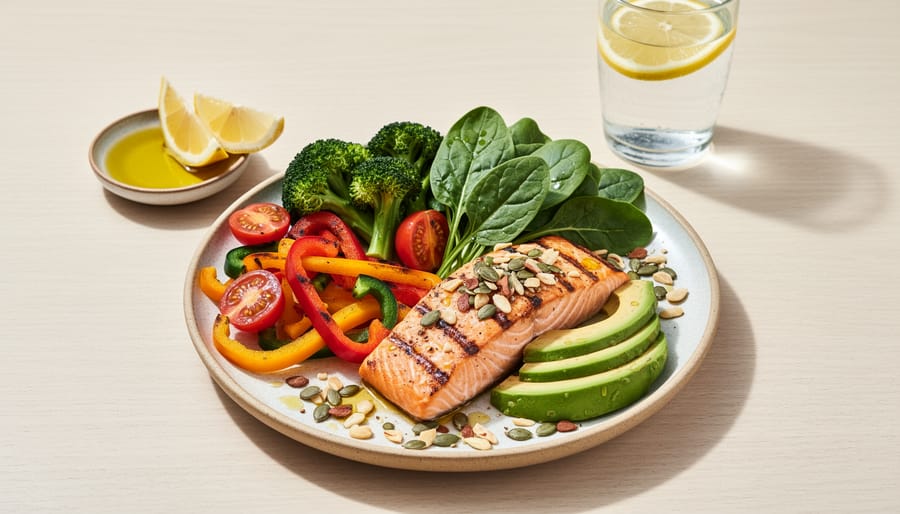
What you eat matters for stroke prevention, but you don’t need a restrictive diet to make a difference. Two eating patterns, the Mediterranean approach and the DASH (Dietary Approaches to Stop Hypertension) plan, have strong research backing, and both focus on enjoying real, whole foods rather than following complicated rules.
The Mediterranean style emphasizes vegetables, fruits, whole grains, beans, nuts, olive oil, and fish, with moderate amounts of poultry and dairy. The DASH approach prioritizes similar foods while specifically targeting sodium reduction. What makes both sustainable is their flexibility: you’re adding nourishing foods rather than obsessing over what you can’t have.
- Fill half your plate with colorful vegetables at lunch and dinner
- Choose whole grains like brown rice, quinoa, or whole-wheat bread instead of refined versions
- Swap butter for olive oil when cooking or dressing salads
- Add a handful of unsalted nuts as a snack or salad topping
- Include fish like salmon or mackerel twice a week
- Flavor meals with herbs and spices instead of reaching for the salt shaker
Sodium deserves particular attention because excess salt raises blood pressure, a primary stroke risk factor. Most sodium hides in processed foods, restaurant meals, and canned items rather than your salt shaker. Reading labels, choosing fresh ingredients when possible, and rinsing canned beans or vegetables can significantly reduce your intake.
Start small rather than overhauling everything at once. Pick one meal to focus on this week, maybe breakfast becomes oatmeal with berries and walnuts, or you commit to a big salad at lunch. Next week, add another change. Gradual shifts feel less overwhelming and give you time to discover new favorites.
Your taste buds adapt. Foods that seem bland without salt become flavorful again within a few weeks. Share meals with family or friends who support your goals, experiment with new recipes from the Life After Strokes community, and remember that occasional treats fit into a heart-healthy pattern. Progress, not perfection, protects your future.
3. Stay Physically Active in Ways You Enjoy

Movement is one of the most powerful tools in your stroke prevention toolkit, and the good news is it doesn’t require a gym membership or athletic ability. Regular physical activity strengthens your heart, improves circulation, helps control blood pressure, and supports healthy weight, all factors that reduce stroke risk.
The key is finding activities you genuinely enjoy, because that’s what makes them sustainable. Walking remains one of the most accessible options: it requires no equipment, you can do it almost anywhere, and you can adjust the pace to match your current fitness level. Water aerobics offers gentle resistance with minimal joint stress, making it especially suitable if you’re recovering from a stroke or managing other health conditions. Gardening, dancing, tai chi, and even household tasks like vacuuming or raking leaves all count as movement when done consistently.
If you’re a stroke survivor, working with your healthcare team is essential before starting or changing your exercise routine. Your doctor or physical therapist can help you determine safe activity levels based on your specific recovery stage and any lingering effects. They might recommend starting with short sessions, even five or ten minutes, and gradually building from there. Some survivors find that chair exercises or supported movements provide a good starting point.
Consistency matters more than intensity. Three 10-minute walks spread throughout your day can be just as beneficial as one 30-minute session. The goal is to move regularly in ways that feel manageable and bring you some enjoyment, not to push yourself to exhaustion or compete with anyone else’s routine.
Consider joining a community exercise class designed for stroke survivors or people with similar health concerns. The social connection adds motivation, and you’ll be surrounded by others who understand your journey.
4. Keep Diabetes Under Control
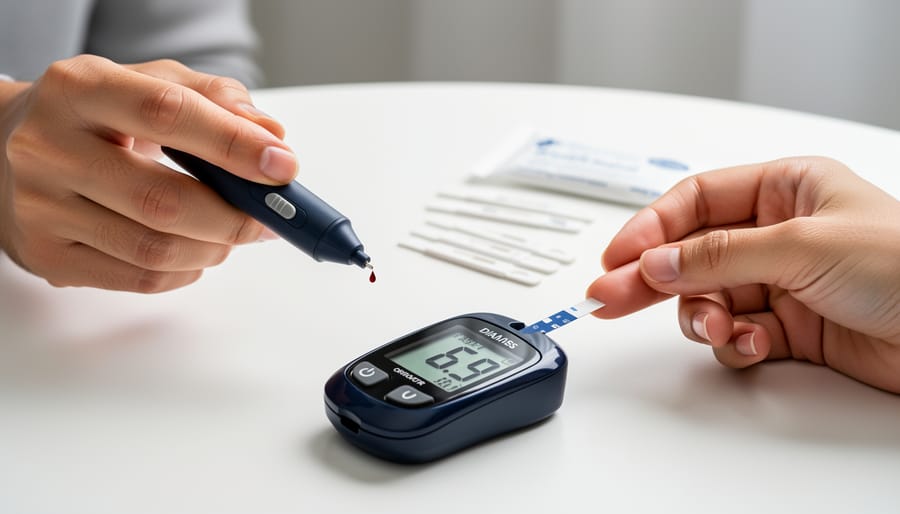
Living with diabetes doesn’t mean a stroke is inevitable, but uncontrolled blood sugar does increase your risk. When glucose levels stay elevated over time, they can damage blood vessels throughout your body, including those that supply your brain. The good news? Consistent management makes a real difference in protecting your long-term health.
Start by monitoring your blood sugar as your healthcare team recommends. Some people check daily, others less frequently depending on their treatment plan. Keep a simple log, whether on paper or through an app, so you can spot patterns and share them with your doctor. These records help your medical team adjust medications or lifestyle recommendations when needed.
Medication adherence matters enormously. If you’re prescribed diabetes medications or insulin, take them exactly as directed, even when you feel fine. Set phone reminders, use a pill organizer, or pair medication time with a daily routine like breakfast. If side effects or costs create barriers, talk with your doctor rather than skipping doses. There are often alternatives or assistance programs available.
Regular check-ups keep you ahead of complications. Schedule appointments every three to six months, or as your healthcare provider advises. These visits typically include A1C tests, which show your average blood sugar over several months, and checks for early signs of vessel damage. Between appointments, reach out if you notice unusual symptoms or struggle with your management routine.
Managing diabetes is a partnership between you and your healthcare team. Stay curious, ask questions, and remember that small, consistent efforts add up to meaningful protection against stroke.
5. Quit Smoking and Limit Alcohol Intake
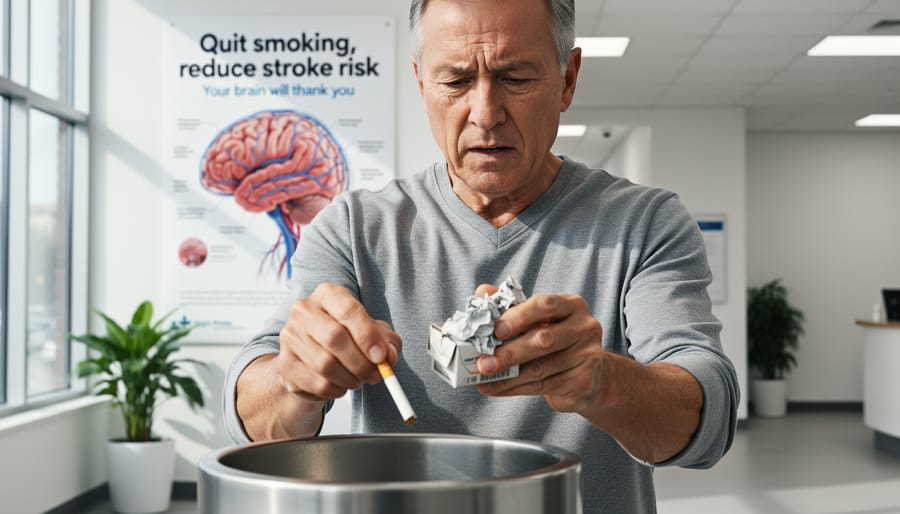
Quitting tobacco and moderating alcohol are two of the most impactful changes you can make to reduce your stroke risk, though they’re often among the hardest. If you smoke, stopping at any age helps protect your blood vessels and reduces your chance of experiencing a stroke. The good news is you don’t have to do it alone. Many stroke survivors have found success through a combination of nicotine replacement therapy, prescription medications that reduce cravings, and behavioral support programs. Your healthcare provider can help you create a quit plan tailored to your situation, and free resources like quitlines offer coaching and encouragement when you need it most.
When it comes to alcohol, moderation matters. While complete abstinence isn’t necessary for everyone, heavy drinking raises stroke risk by affecting blood pressure and heart rhythm. Most guidelines suggest limiting intake to one drink per day for women and up to two for men, though your doctor may recommend different targets based on your personal health history and medications. If you’ve relied on alcohol to manage stress or unwind, consider exploring other relaxation techniques like the ones discussed in our stress management section. Remember that cutting back gradually is often more sustainable than going cold turkey, and celebrating small wins, like choosing sparkling water at dinner twice this week, builds momentum over time. These changes take courage, patience, and often multiple attempts. Be kind to yourself through the process.
6. Manage Stress and Prioritize Mental Well-Being

When your mind is constantly racing or weighed down by worry, your body pays the price, and your heart and blood vessels feel it first. Chronic stress keeps your system in overdrive, raising blood pressure, triggering inflammation, and making it harder to stick with the healthy habits that protect you from stroke. Mental well-being isn’t separate from physical health; it’s a core piece of your prevention plan.
Start with small, consistent practices that quiet your nervous system. A few minutes of deep breathing each morning, inhale slowly for four counts, hold, then exhale for six, can reset your stress response before the day begins. Meditation apps offer guided sessions as short as five minutes, perfect for easing in. If sitting still feels impossible, try movement-based relief: a walk outside, gentle stretching, or tending a garden all lower stress hormones while keeping you active.
Make time for activities that genuinely absorb you, whether that’s painting, woodworking, reading, or playing music. These aren’t luxuries; they’re protective. When you lose yourself in something you enjoy, stress has less room to linger.
Don’t overlook the value of care coordination and mental health support as part of your stroke prevention. If anxiety or depression feels unmanageable, talk to your healthcare team about counseling or therapy options. Some providers are now using healthcare data to identify patients who could benefit from integrated mental health services. You don’t have to manage stress alone, community support groups, peer networks, and professional guidance all help you build resilience over time.
7. Maintain a Healthy Weight for Your Body
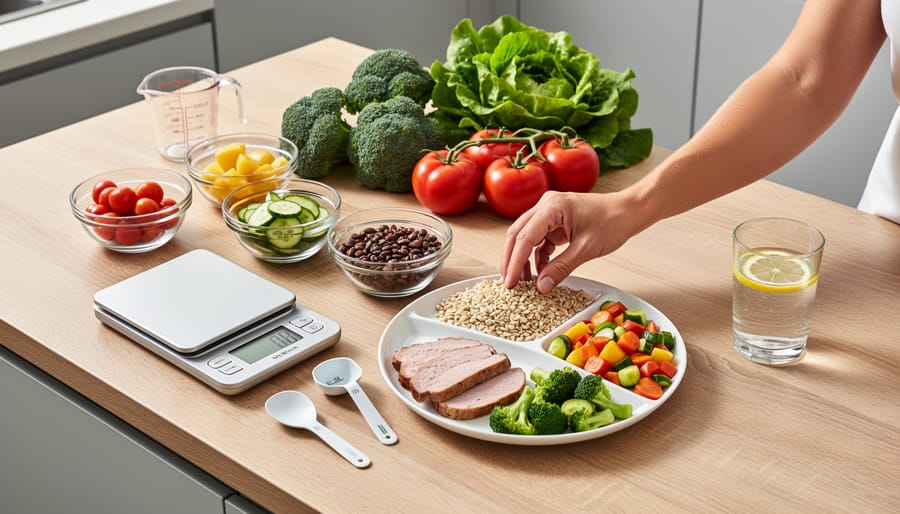
Maintaining a healthy weight isn’t about chasing an ideal number on the scale. It’s about finding what works for your body and supports your overall cardiovascular health. Extra weight, particularly around the midsection, can increase stroke risk by affecting blood pressure, cholesterol levels, and blood sugar control.
Start by talking with your healthcare team about a realistic weight range for you, considering your medical history, current medications, and mobility level. If you’re recovering from a stroke, your goals may look different than standard recommendations, and that’s perfectly fine.
Focus on sustainable habits rather than dramatic changes. Small shifts add up: swapping sugary drinks for water, adding an extra serving of vegetables to dinner, or taking a short walk after meals. These everyday choices matter more than temporary diets that leave you feeling deprived.
Track your progress in ways beyond the scale. Notice how your clothes fit, whether you have more energy, or if everyday tasks feel easier. These wins count.
If you’re struggling with weight management post-stroke, you’re not alone. Physical limitations, medication side effects, and emotional challenges can all play a role. Consider working with a registered dietitian who understands stroke recovery. They can help you create an eating plan that fits your lifestyle, addresses any swallowing difficulties, and supports your prevention goals without adding stress to your journey.
8. Stay Connected with Regular Medical Check-Ups
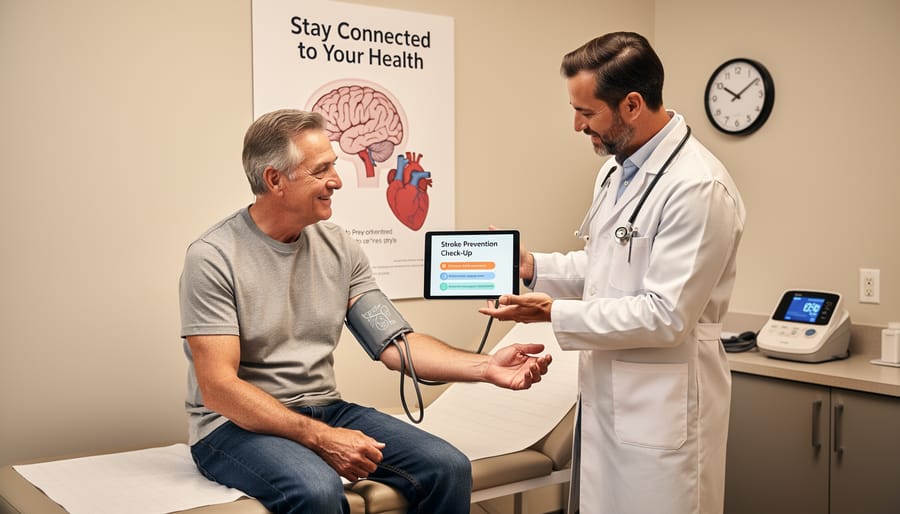
Regular check-ups are your safety net, they help catch warning signs before they become emergencies. Many stroke survivors who’ve successfully prevented recurrence credit their consistent medical monitoring as the cornerstone of their prevention plan.
Schedule routine appointments even when you feel fine. Your doctor can track blood pressure trends, adjust medications, review cholesterol levels, and spot subtle changes you might miss. These visits aren’t just about treating problems, they’re about preventing them. Bring a list of any new symptoms, medication questions, or concerns to each appointment, and don’t downsize what matters to you. Open, honest communication with your healthcare team means they can tailor your prevention plan to your real life, not a textbook scenario.
Medication management deserves special attention. If you’re taking blood thinners, blood pressure medication, or diabetes drugs, consistency matters. Set phone reminders, use a pill organizer, and never stop or change doses without talking to your doctor first. If side effects bother you or costs become a barrier, speak up, there are often alternatives or assistance programs available.
Consider Maria’s experience: after her first stroke, she committed to quarterly check-ups instead of annual ones. During one routine visit, her doctor noticed her blood pressure had crept up despite medication. A simple adjustment prevented what could have been a second stroke. Maria didn’t feel different that day, but the numbers told a different story.
Your prevention journey thrives on partnership with your medical team. Those appointments are investments in your future.
Your Prevention Plan: Taking the Next Step
You don’t need to tackle all eight strategies at once. Pick one or two that feel most manageable right now, whether that’s scheduling a blood pressure check, adding an extra serving of vegetables to your meals, or joining our community walking group. Small, consistent actions compound over time.
Remember, prevention is a journey, not a destination. Some weeks you’ll stay on track; others will be harder. What matters is showing up for yourself again and staying connected to support. Join our Life After Strokes community support groups to share experiences, ask questions, and celebrate progress with others who understand your path. Sign up for our newsletter for ongoing prevention tips, personal stories, and encouragement delivered to your inbox. You’ve already shown resilience by being here, now take that next small step forward.
Frequently Asked Questions
Can I really prevent a stroke, or is it mostly genetic?
While family history and genetics play a role, lifestyle choices have a significant impact on stroke risk. Many strokes can be prevented through managing blood pressure, eating well, staying active, and working closely with your healthcare team.
How soon after my first stroke should I start prevention strategies?
Start as soon as your healthcare team gives you the green light, which often happens during your hospital stay or shortly after discharge. Your doctor will guide you on which activities are safe based on your recovery progress.
Do I need to follow all eight strategies at once?
Not at all. Choose one or two that feel most manageable right now and build from there. Sustainable change happens gradually, and every positive step counts toward reducing your risk.
What if I don’t have access to regular doctor visits?
Community health centers, telehealth options, and some pharmacies offer blood pressure monitoring and basic health screenings at low or no cost. Start with what’s available to you, and look into local stroke support groups for resources in your area.
Remember that prevention is personal. What works beautifully for one person might not fit your life, abilities, or preferences, and that’s perfectly okay. The Life After Strokes community is here to share what’s worked for real people in real situations, not to prescribe a one-size-fits-all solution. You know your body and your circumstances best, so work with your healthcare team to adapt these strategies in ways that make sense for you.