
Stroke recovery moves through three stages: the acute stage in the hospital, the rehabilitation stage that follows, and the long-term stage of life at home and beyond. Each one asks something different of you, and each calls for different tools, different helpers, and different goals. Knowing which stage you’re in takes away a lot of the guesswork.
In the first days, the focus is stabilizing the body and preventing another stroke. Then comes the busiest, most hopeful part of the journey. The brain is especially ready to rewire itself, which is why therapy in these early weeks and months matters so much. Therapists work on walking, speech, and everyday tasks like dressing and eating, often using simple aids such as grab bars, resistance bands, and adaptive utensils. The long-term stage is where progress continues, often at a slower pace, and where small daily habits do the heavy lifting.
Recovery rarely follows a straight line, and no two people move through it on the same schedule. Plateaus happen. So do breakthroughs, sometimes years in. Many survivors say the turning point came when they stopped comparing their progress to anyone else’s and started celebrating their own.
Below, we walk through what to expect at each stage, which tools and care team members help most, when to pause and call your doctor, and how to tell that you’re moving forward. We’d also love to hear your own story in the comments, because someone starting this journey today needs to hear it.
Before You Begin: Tools, Materials, and Your Care Team
Before you start working through the three stages, it helps to get a few things in place. The good news: nobody needs everything at once, and your care team will help you sort out what fits your situation.
Your care team is the foundation. Understanding care team roles makes appointments less overwhelming. Here’s who you’re likely to meet:
– Doctor: oversees your medical care and manages medications and prevention.
– Physical therapist: helps you rebuild strength, balance, and walking.
– Occupational therapist: helps you relearn everyday tasks like dressing, cooking, and bathing.
– Speech-language therapist: supports talking, understanding, and safe swallowing.
– Social worker: connects you with resources, insurance help, and community support.
Behind every good team is strong coordination, and a little healthcare leadership is what keeps those specialists working together on your behalf. Don’t hesitate to ask who is coordinating your plan.
Next, gather a simple starter kit. Here’s a checklist to work from:
- A recovery notebook for questions, symptoms, and small wins
- A contact list of your trusted care team members
- Mobility aids, such as a cane or walker, if recommended
- Adaptive utensils that are easier to grip
- A pill organizer to keep medications on track
- A large-button phone or tablet for easy communication
- Community support resources, including survivor groups
Treat this list as a menu, not a requirement. Your therapists will tell you which items make sense now and which can wait. Many survivors find the notebook the most useful starting point, because it lets you track progress and bring clear questions to each appointment.
Staying Safe Along the Way: When to Pause and Call for Help
Recovery works best at a steady pace. Pushing hard on a good day often leads to a rough week, so aim for consistent, manageable effort and rest when your body asks for it. Knowing what to watch for takes the worry out of the process and puts you back in charge.
Some signs need action right away. These include new weakness or numbness, sudden trouble speaking or understanding others, a severe headache unlike any you’ve had, or changes in vision.
Other changes aren’t emergencies but deserve a mention at your next appointment. Unusual tiredness, shifts in mood, or pain during exercise are all worth writing in your recovery notebook so your therapists can adjust the plan. You’re never bothering anyone by speaking up.
Falls are one of the most preventable setbacks, so a few habits go a long way:
– Clear walkways of cords, loose rugs, and clutter.
– Use grab bars, non-slip mats, and good lighting, especially at night.
– Wear sturdy, supportive shoes rather than socks or slippers.
– Stand up slowly and use your walker or cane as recommended.
Before trying a new exercise, a different technique, or an alternative approach like acupuncture or music therapy, check in with your care team first. Many complementary options pair beautifully with conventional rehab, and your team can help you add them safely.
Stage 1: The Acute Stage, Stabilizing in the Hospital (First Days to Weeks)
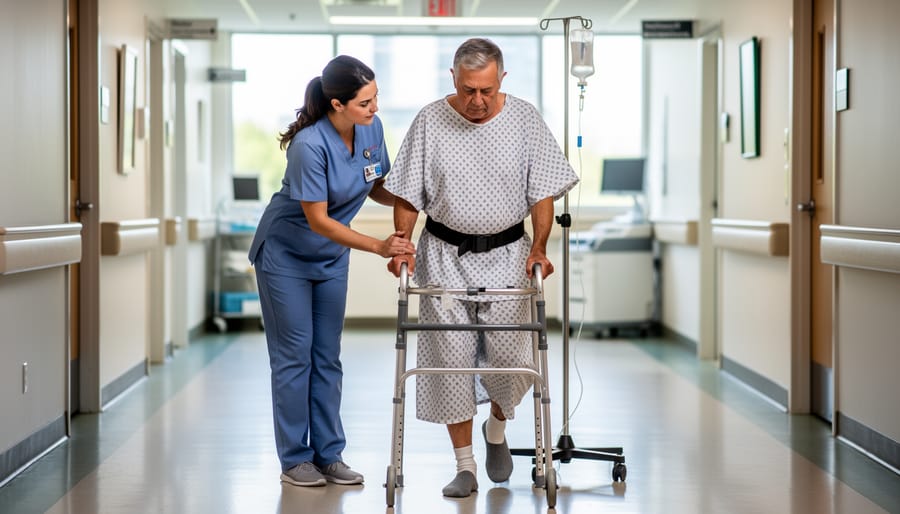
What Recovery Aids and Techniques Look Like in the Hospital
In the hospital, recovery support is gentle, closely supervised, and tailored to how you’re feeling that day. Nurses and therapists usually start within the first day or two, once doctors say it’s safe.
Bedside positioning comes first. Staff will help you change position every couple of hours, using pillows and supports to protect a weak arm or leg and prevent sore spots. From there, therapists may help you sit at the edge of the bed, then stand with assistance, sometimes using a gait belt around your waist so they can steady you.
A swallowing evaluation is common, often done by a speech-language therapist. They check whether you can safely handle liquids and foods, because a weakened swallow can cause choking. Until then, you may get softer foods or thickened drinks.
If speech is hard, simple communication boards with pictures, letters, or yes/no cards help you share needs without frustration. Families can use them too.
Therapists also guide early range-of-motion exercises, moving your affected arm or leg through easy, pain-free motions to keep joints flexible and muscles awake. Small movements count.
A Survivor’s Story: Celebrating the First Small Steps
When you are lying in a hospital bed, it can feel like nothing is changing. Then one morning, something small does.
Many survivors in our community describe that moment in the same way. It might be the first time a therapist helps you sit at the edge of the bed with your feet on the floor. It might be wiggling a toe that wouldn’t move yesterday, or saying a single word out loud, even if it comes out slowly.
These moments can look tiny from the outside. Inside, they often feel enormous. One survivor told us that sitting up for just two minutes was the first time she believed she could get better. That belief gave her the energy to try again the next day.
We would love to share your story here, too. If an early small win meant the world to you, tell us about it in the Life After Strokes community.
Stage 2: The Rehabilitation Stage, Rebuilding Skills Step by Step (Weeks to Months)
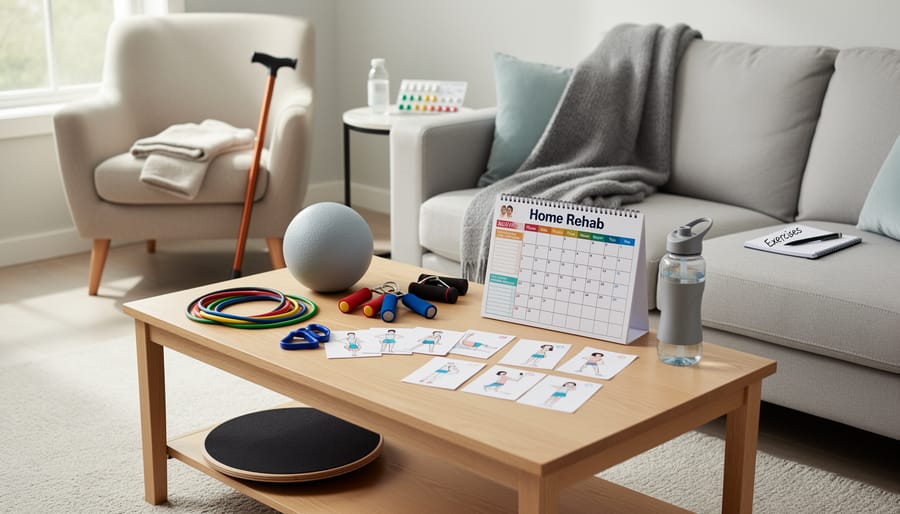
Matching Therapies to Your Goals: Movement, Daily Living, and Communication
Once you’re past the hospital, the most useful way to think about rehab is by what you want to get back. Each therapist covers a different piece of that goal.
Physical therapists focus on movement: rebuilding strength, improving balance, and getting you walking more steadily. Occupational therapists work on everyday tasks like dressing, cooking, bathing, and using your affected hand again, often by breaking a task into smaller steps or finding easier ways to do it. Speech-language therapists help with talking, understanding others, and swallowing safely, so they matter for both conversation and mealtimes.
Many survivors also add complementary options. Mirror therapy uses a mirror to “trick” the brain into seeing the weaker limb move normally, which can encourage that arm or leg to respond. Music therapy can support speech, rhythm, and mood. Adaptive technology, such as voice-controlled devices or specialized grips, can make daily life easier while you rebuild skills.
These therapies also fit well with heart-healthy habits which help protect your progress and prevent stroke from happening again.
Whatever mix you choose, share it with your care team. Coordinating your approaches means everything works together and nothing gets in the way of your recovery.
Choosing Helpful Aids: From Walkers to Adaptive Kitchen Tools
Using an aid is a smart strategy, not a setback. The right tool lets you practice safely, save energy for therapy, and keep doing things for yourself while your body relearns. Your therapists can help match each tool to your needs, so you don’t have to guess.
Mobility aids support balance and walking. A cane offers light support, a walker gives more stability, and a wheelchair can help conserve energy for longer outings. Some survivors also use an ankle-foot brace to keep the foot from dragging.
Hand and arm supports protect a weakened limb. A sling can prevent shoulder strain, while a resting hand splint keeps the fingers in a comfortable position.
Adaptive utensils and dressing tools make daily routines easier with one hand or limited grip. Think built-up handles, rocker knives, plate guards, buttoning hooks, elastic shoelaces, and long-handled reachers.
Communication apps help when words are hard to find. Picture-based boards, text-to-speech tools, and speech practice apps can reduce frustration and keep you connected with loved ones.
Home modifications make your space safer. Grab bars near the toilet and shower, non-slip mats, a shower chair, good lighting, and clearing loose rugs can prevent falls.
Start with one or two aids that solve your biggest daily challenge, then add more as your needs change.
Caring for Your Mood and Mind During Rehab
Rehab is demanding work, and it’s completely normal for your emotions to feel just as tired as your body. Frustration, sadness, anxiety, and fatigue show up for many survivors, and they are nothing to be ashamed of. Your brain has been through a major event, and your feelings are part of healing, not a sign that you’re doing it wrong.
A few practical tools can help. Counseling gives you a safe space to talk through fears and grief, and many therapists work with people recovering from a stroke. Simple breathing practices can calm a racing mind: try breathing in slowly for four counts, then out for six, a few times a day or before a tough therapy session. Gentle relaxation, listening to favorite music, or a short mindfulness exercise can ease tension, too. Even a short walk or a chat with a friend can lift a heavy day.
Please tell your care team if your mood stays low, if you lose interest in things you used to enjoy, or if worry feels constant. Low mood after a stroke is common and treatable, and getting help early can make rehab feel more doable.
You don’t have to carry this alone. Consider joining the Life After Strokes online support group, where survivors and caregivers share encouragement, tips, and understanding. Sometimes hearing “me too” is exactly what you need.
Stage 3: The Long-Term Stage, Building Independence and a Life You Love (Months and Beyond)
Keeping Progress Going: Daily Habits That Support Lasting Recovery
Recovery doesn’t stop when formal therapy ends. A few steady habits can protect what you’ve regained and help you keep improving.
Start with movement. Aim for regular, gentle activity that your care team has approved, such as walking, stretching, or the exercises your therapists taught you. Short sessions most days beat one big push that leaves you worn out.
Food matters too. Fill your plate with vegetables, fruit, whole grains, and lean protein, and go easy on salt and heavily processed foods. Your heart and brain will thank you.
Keep a dependable medication routine. Many people find a weekly pill organizer or a phone reminder makes it easier to take every dose as prescribed.
Don’t overlook rest. Good sleep helps the brain repair itself, so try to keep regular bedtimes and talk with your doctor if sleep is a struggle.
Check your blood pressure regularly, at home or at a pharmacy, and jot the numbers in your recovery notebook to share at appointments.
Finally, stay connected. A phone call with a friend, a family dinner, or an online support group can lift your mood and keep you motivated.
Finding Purpose Through Community: Stories, Support, and Giving Back
Many survivors say the turning point in long-term recovery wasn’t a physical milestone at all. It was the moment they realized their experience could help someone else.
Consider a composite picture drawn from what many survivors describe. A man spends his first year after stroke focused entirely on regaining the use of his hand. Therapy goes well, but he still feels like a shadow of his old self. Then he attends a local support meeting, and a newly diagnosed survivor asks him how he got through the first scary months. Answering that question, he later says, gave him back a sense of purpose he thought he’d lost.
You don’t need to be “fully recovered” to make a difference. There are many ways to get involved, at whatever pace feels right:
– Join the Life After Strokes online support group to swap tips, ask questions, and cheer others on.
– Subscribe to our newsletter for new stories, practical ideas, and community updates.
– Volunteer by sharing your story, welcoming new members, or helping at community events.
– Take part in fundraising activities that support stroke research and care.
Even a small step, like sending an encouraging message to someone just beginning their journey, can ripple outward. Your story matters, and so do you.
Checking Your Progress and Planning Your Next Steps
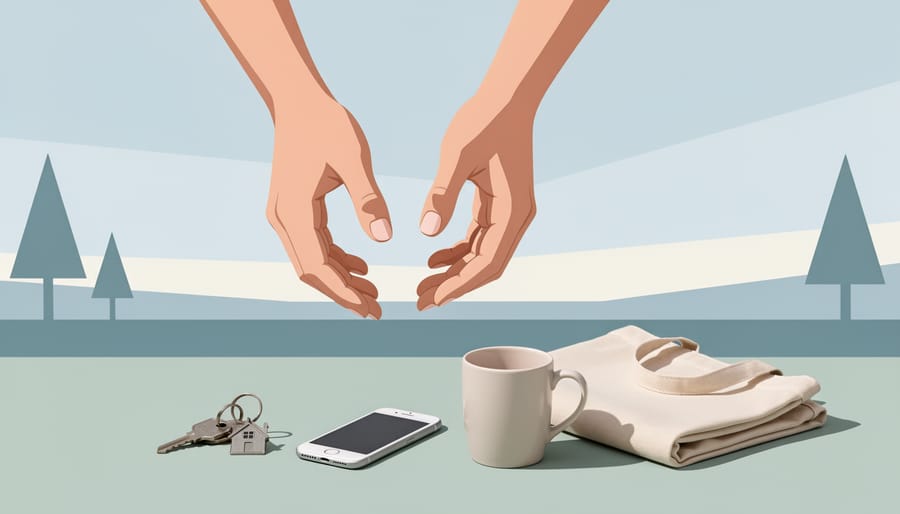
Wondering whether you’re making progress? The clearest signs are often practical ones. Notice whether daily tasks feel easier, such as dressing, cooking, or climbing stairs. Track goals you and your therapists set together, like walking to the mailbox or holding a cup. Fewer falls and better endurance count too. A simple notebook entry once a week makes small gains easy to see, especially on days when it doesn’t feel like much is changing.
Before each follow-up appointment, jot down your wins, your struggles, any pain or unusual tiredness, and the questions on your mind. Bring a family member or caregiver if you can, since a second set of ears helps. Ask what the next goal should be and which aids or exercises might help you get there.
If you’ve been working hard and feel stuck for several weeks, or a goal no longer fits your life, speak up. You can ask your team to adjust the plan, and you’re always welcome to seek a second opinion. Plateaus are normal. They often mean your body is consolidating what it has learned, not that improvement is over.
How long does each stage of stroke recovery last?
There’s no fixed timeline. The hospital stage often lasts days to weeks, rehabilitation weeks to months, and long-term recovery continues from there, but your own pace will depend on your stroke and your health.
Can recovery continue after the first year?
Yes. Many survivors keep gaining skills and confidence with ongoing practice, even years later.
Is it normal to feel discouraged or tired during rehab?
Absolutely. Fatigue and low mood are common, and nothing to be ashamed of. Let your care team know so they can help.
Can I try alternative therapies alongside my regular rehab?
Many survivors find options like music therapy or mindfulness valuable. Talk with your care team first so everything works together safely.
Whatever your progress looks like today, it deserves to be noticed and celebrated.
Key Takeaway: Recovery Is a Journey, and You Don’t Walk It Alone

If you remember just one thing, let it be this: the right tools, techniques, and people can make a real difference at every step. Take it one stage at a time, and keep asking for help along the way.
Recovery after a stroke is rarely a straight road, but every stage holds real possibility. Whether you are taking your first assisted steps in the hospital, rebuilding skills in rehab, or settling into the long-term work of living well, each small gain counts and each one deserves to be celebrated.
To the caregivers and families who show up day after day: thank you. Your patience, your questions at appointments, and your quiet presence make an enormous difference, even on the days it doesn’t feel that way. Please be gentle with yourselves, too.
You don’t have to do any of this alone. Join the Life After Strokes online support group to connect with people who truly understand. Subscribe to our newsletter for fresh ideas and encouragement delivered to your inbox. If you’re comfortable, share your own recovery story, because your experience may be exactly what another survivor needs to hear. And if you’d like to give back, explore our volunteer and fundraising opportunities that support stroke research and care. We’re glad you’re here.